EN
EN 









More Camp Photos


Superior Pre-College 3D Animation Summer Program for High Schoolers at Harvard University
Since 1992, founded by famous Hollywood executive producer, accredited by Council for Higher Education and WSCUC, California Bureau of Education
 14-17 years old
 3 weeks
Session Dates
Currently, there are no available dates for this program.
Be the first to know when new session dates are added! Join our notification list to receive updates via email.
More Like This


Fashion Summer Program in Milan
Ages: 15-18
July
Co-ed
2 Weeks
Starting from
$2,898
/week


Engineering, Design & Sustainability Summer Program at Univeristy of Bath
Ages: 14-18
July
Co-ed
2 Weeks
Starting from
$3,311
/week


Computer Science, AI & Machine Learning Summer Program at Univeristy of Bath
Ages: 14-18
July
Co-ed
2 Weeks
Starting from
$3,010
/week


Pet Design in Milan for High School Students 🐾🎨
Ages: 15-18
July
Co-ed
2 Weeks
Starting from
$2,898
/week
Program Details
Course Description: Superior Pre-College 3D Animation Summer Program for High Schoolers at Harvard University
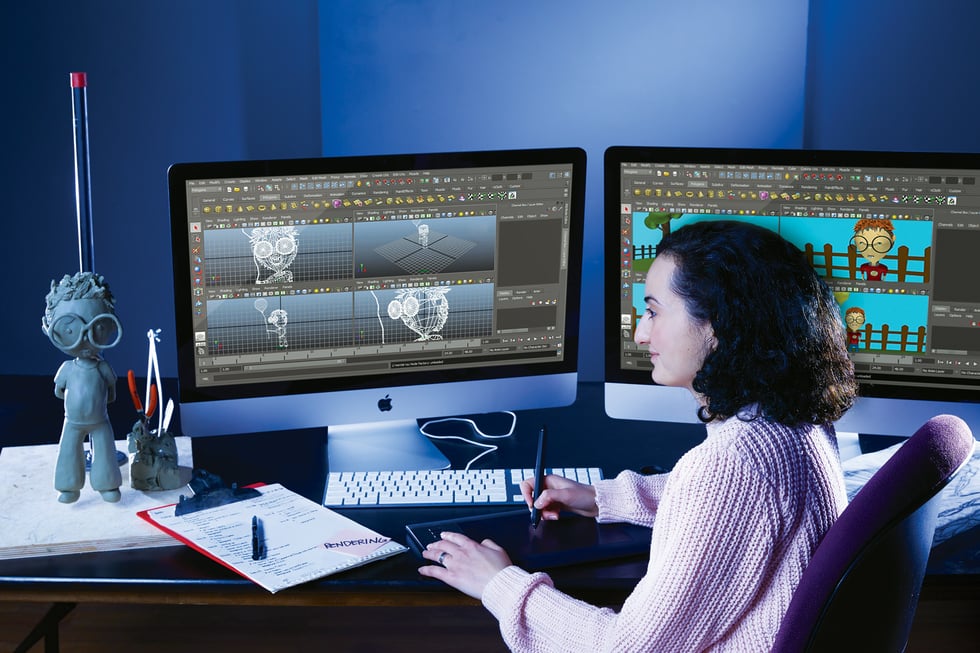
This immersive summer programme offers students aged 14-17 a hands-on introduction to 3D animation and visual storytelling, guiding them through the complete creative process — from concept and character design to animation and final presentation.
Designed to mirror the workflow of a professional animation studio, the programme blends technical training, creative exploration, and collaborative production. Students work with industry-standard tools and techniques while developing a short animated film that reflects both technical skill and personal expression.
By the end of the programme, each student will have produced a fully realised 3D animated short film (60–90 seconds) — a strong portfolio piece demonstrating their understanding of animation, storytelling, and project management.
Core Subjects Included 🎓
Modeling
Students begin by creating props before progressing to the modeling of a simple character. This foundational subject introduces the construction of digital assets essential for storytelling. Emphasis is placed on understanding form, structure, and refinement to build models that serve as the backbone of animation.
Texturing
Students learn how to apply textures and materials to their 3D models, bringing characters and environments to life. Key topics include:
UV mapping
Surface detailing
Using textures to add realism, depth, and personality
Students explore how visual choices support storytelling and character development.
Rigging
In this subject, students learn how to rig their character by applying joints and controllers. Rigging enables characters to move naturally and express emotion. This critical technical skill allows students to prepare their models for animation by building the internal systems that control movement and performance.
Animation
Using AUTODESK MAYA, the industry-standard animation software, students study the principles of animation, including weight, timing, motion, and attitude. They apply these principles directly to their character, learning how movement conveys emotion and advances a story. The focus is on creating believable, engaging animation that captivates an audience 🎞️.
Writing & Storyboarding
Students develop a simple but effective story that drives their animated short. Emphasis is placed on:
Character goals
Obstacles and conflict
Narrative structure and clarity
Students are also introduced to storyboarding, learning how to visually plan scenes and translate written ideas into animated sequences that support strong storytelling.
Guided Instruction & Creative Support 🤝
Throughout the programme, students receive personalised guidance from the instructor, particularly during the final stages of their project. This supervision ensures that all aspects of the animation process come together cohesively.
Students receive constructive feedback on:
Refining 3D models
Improving animation flow
Strengthening narrative clarity
Polishing technical and creative details
Instructor support also introduces students to the collaborative nature of animation production, helping them understand how creative teams work together in professional environments.
Final Project 🎬
By the end of the programme, each student will complete a short animated movie (typically 60–90 seconds). This final project showcases:
3D modeling
Texturing
Rigging
Animation
Storytelling
Project planning and execution
The final piece serves as a polished portfolio project, demonstrating both technical proficiency and creative vision.
Learning Experience 🧠
Students work both independently and collaboratively, gaining a well-rounded understanding of the animation pipeline. The learning environment reflects real-world studio workflows, encouraging responsibility, creativity, and teamwork.
By the end of the programme, students leave with:
A deeper understanding of animation production
Enhanced technical and creative skills
Increased confidence in their artistic abilities
A strong portfolio-ready animation piece
Educational Philosophy 🎯
The programme is built around a “learn by doing” philosophy. Students begin creating immediately, learning skills through direct application rather than theory alone. This hands-on approach allows students to:
Learn faster
Retain skills more effectively
Build confidence through real creative output
Programme Values 🌱
The curriculum supports the development of key personal and professional values:
Leadership – Encouraging initiative and responsibility in collaborative creative work
Creativity – Fostering original thinking and problem-solving
Collaboration – Emphasising teamwork, professionalism, and respect
Discipline – Developing focus, consistency, and commitment
Expression & Individuality – Encouraging students to tell meaningful, personal stories through animation
Instructors 👩🏫👨🏫
Faculty members are active professionals in the visual and performing arts. They bring real-world experience, industry insight, and a strong passion for teaching and storytelling. Instructors are consistently praised for their supportive, engaging, and hands-on approach.
Arrival Information ✈️
Commuting Students
No scheduled activities on the Sunday start date
Registration and orientation take place on the first day of class (Monday)
Residential Students
Students staying in programme housing may use optional airport transportation.
Arrival Window: 10:00 a.m. – 3:00 p.m.
Students will be greeted at baggage claim if arrival details are submitted
Students must arrive and depart on official programme dates
Airport Transportation Fee:
One-time fee of $50 (covers pick-up and drop-off)
Transportation is for students only and space is limited
Registration, Move-In & Orientation 📝
Date: Sunday before classes begin
Time: 10:00 a.m. – 3:00 p.m.
Registration takes approximately 30 minutes
Residential students attend a mandatory evening orientation at 6:00 p.m., including food and essential information. A supervised shopping trip may follow.
Housing 🏠
Housing offers a supervised, student-focused environment within walking distance of classrooms.
2025 Housing Prices
(Subject to slight increase for 2026)
1-week shared room: $1,470
3-week shared room: $4,252.50
Includes breakfast, lunch, and dinner
Additional Requirements
$250 refundable room and key deposit
Housing is confirmed only after payment and availability
Supervision & Student Safety 🛡️
Residential advisors live on-site and provide 24/7 supervision
Evening and weekend activities are fully supervised
A buddy system is enforced at all times
Students may not leave buildings alone
Activities & Excursions 🌆
Evenings and weekends include supervised activities such as:
Sightseeing and neighborhood tours
Film screenings and game nights
Local cultural and science attractions
Outdoor activities like biking or kayaking
All activities are included in housing costs.
Facilities 🏫
High-speed internet
Laundry facilities
Supervised residence halls
Dormitories are not air-conditioned
Students are provided with basic furnishings. Certain electrical items are prohibited for safety reasons.
Meals 🍽️
Residential students receive 3 meals daily
Meals are served at a central dining hall
Commuting students purchase meals independently
Health & Medical Care 🏥
Students must inform staff immediately if medical care is needed
Students self-administer medications
Medical and insurance forms must be completed in advance
Zero Tolerance Policy 🚫
Drugs and alcohol are strictly prohibited. Violations result in immediate dismissal without refund.
Travel, Curfew & Conduct 🕘
Strict curfews apply
Travel outside designated areas is prohibited
Violations may result in expulsion
International Students & Visas 🌍
Students attend on a tourist visa or visa waiver.
The programme is classified as camp, not academic study.
Visa support letters can be provided where required.
Looking Ahead 🚀
By the end of the programme, students leave with:
A complete animated short film
Professional-level exposure to animation workflows
Enhanced creative confidence
A strong portfolio piece for future study or creative opportunities
A Day in the Life 🎬
3D Animation Summer Program (Sample Weekday Schedule)
(Curriculum & assignments subject to change)
A typical weekday on the programme follows a structured yet creative rhythm, balancing technical instruction, storytelling, and hands-on production.
Morning: Foundations & Creative Thinking
Students arrive on campus by 9:30 a.m., beginning the day with focused sessions that introduce core concepts and creative frameworks.
9:30 – 10:00 a.m.
Registration, orientation check-ins, or daily briefings (especially at the start of the week)
10:00 – 12:00 p.m.
Morning classes rotate by day and may include:
Introduction to Autodesk Maya
History of Animation
Screenwriting
Storyboarding
Directing
These sessions build the conceptual and creative foundation students need before moving into production.
Midday: Lunch & Reset 🍽️
12:00 – 1:00 p.m.
Lunch break.
Students relax, recharge, and socialise before the afternoon’s intensive studio work.
Afternoon: Studio Production & Skill Development
1:00 – 5:00 p.m.
Afternoon sessions are hands-on and production-focused. Depending on the day, students work on:
3D Modeling
Story presentation & critique
Initial storyboard presentations
Lighting & texturing
Character development and refinement
This is where students apply what they’ve learned, receive instructor feedback, and make visible progress on their animated projects.
Weekly Flow Snapshot 🗓️
Monday: Orientation, Intro to Maya, Modeling
Tuesday: History of Animation, Story Presentations, Modeling
Wednesday: Screenwriting, Modeling
Thursday: Storyboarding, Initial Storyboard Presentation
Friday: Directing, Lighting & Texturing
Each week builds toward a polished animated short, with skills layering progressively.
Student Checklist ✅
Important reminders before arrival
Tuition and housing balances are due 30 days before the programme start date
Confirm that your health insurance covers you in Cambridge, MA
Complete all required online forms:
Housing
Medical
Arrival & Departure
Any additional programme forms
Residential students:
May only arrive on Sunday of the programme start date
Must depart on Saturday when the programme ends
List allergies and medications on the Medical Release Form
Notify the programme of any changes to:
Address
Email
Phone number
Bring this information packet with you (parents may want a copy as well)
Contact the programme team with any questions or concerns before arrival
Packing List 🎒
Essentials for a comfortable and productive stay
Daily Living
Pillow, linens (extra-long twin), comforter/blanket, towel(s)
Warm-weather clothing
Comfortable walking shoes
Sunscreen
Rain gear
Bathing suit
Sweatshirts or light jackets (cool classrooms & evenings)
Academic & Personal Items
Refillable water bottle
Notebook & pen/pencil
Cell phone and chargers
Universal power adapter (international students)
Debit card or spending money
Creative & Discipline-Specific
Animators / Filmmakers:
External hard drive (recommended 1TB minimum)
Performers:
Clothing suitable for movement or dance
Other disciplines:
Refer to programme-specific guidance if applicable
3D Animation Preparation 🎥
How to get the most out of the course
Although this is a computer-based 3D animation programme, any visual arts background is helpful. Students are encouraged to prepare in advance by:
Creative Practice
Practising drawing and shading
Bringing a sketchbook for idea development and visual planning
Familiarising themselves with basic visual storytelling concepts
Software & Technical Skills
A working knowledge of Photoshop is useful but not required
Optional: a tablet (iPad, Surface, or similar) with a stylus for digital drawing
If exploring 2D animation, use drawing apps that export .PSD or .PNG files
Recommended Reading & Viewing 📚
Film Directing:
Film Directing: Shot by Shot — Steven Katz
Animation:
The Animator’s Survival Kit — Richard Williams
Viewing Inspiration:
Chuck Jones’ Bugs Bunny shorts (pose-to-pose animation & humor)
Pixar films (story, movement, emotional clarity)
Storage Recommendation
Students are strongly encouraged to bring a professional external hard drive (at least 1TB) to store all project files.
Recommended brands include:
G-Technology
LaCie
Seagate
This ensures safe storage and easy continuation of work after the programme ends.
We Look Forward to Meeting You This Summer 🌟
This programme offers a rare opportunity to learn by doing, collaborate with peers, and complete a professional-quality animated short. Students leave with new technical skills, creative confidence, and a meaningful portfolio piece that reflects their growth as visual storytellers.
Do you need help?
Can't find what you're looking for? That's okay. Our advisors are here to help 😊 You can schedule a Zoom call or message our advisors for free guidance!
Are you ready to embark? Here's what you will do:
1.
Pay the camp deposit
2.
You will receive a payment confirmation and the Enrolment Form in your email
3.
Fill Enrolment Form as soon as possible
4.
Await Booking Confirmation letter and pay the remaining balance. Confirmation can take up to 7 days. Do not book flights until this step
5.
Our Admissions Team will contact you to coordinate airport pickup and dropoff for safe arrival and departure
And you are all set! Prepare for an unforgettable summer camp experience with Best Parents!
Rate us on


© Best Parents, 2026